Answer Director Seokjong Oh: “The Brands That Precisely Answer a Customer's Concern Will Win”
In DIGITAL iNSIGHT's 2026 GEO outlook roundtable, Answer Director Seokjong Oh discussed the merging of AI search and e-commerce, arguing that brands which precisely answer a customer's context — not those that simply maximize ad reach — will win.
Source: DIGITAL iNSIGHT
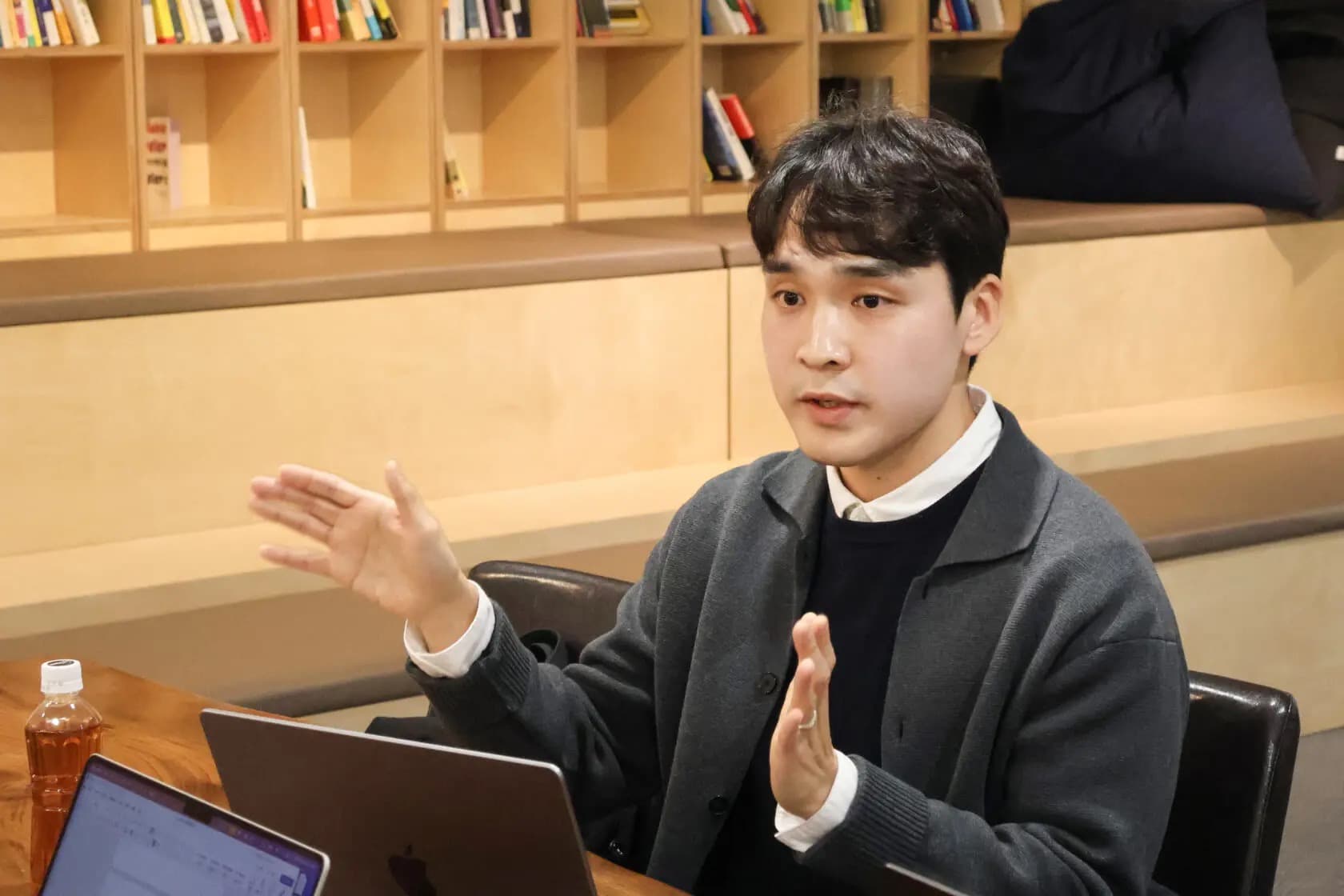
Answer Director Seokjong Oh joined DIGITAL iNSIGHT's 2026 GEO (Generative Engine Optimization) outlook roundtable as one of three Korean GEO experts. The theme was "the era of brands with well-built CEPs." A CEP (Category Entry Point) is the moment a consumer recalls a product category or decides to buy.
AI search and e-commerce are starting to merge
On the Walmart–OpenAI partnership, Oh said it signals "that AI search has begun to link directly with e-commerce." He added that "if e-commerce is fused into AI search, the existing SEO-led playbook for commerce brands will stop working" — a sign that strategies built on ranking at the top of search results may hit their limit.
The opportunity for brands that answer context precisely
Oh framed the winners of the AI era this way: "It won't be the companies that run ads reaching as many people as possible, but the companies that precisely target the heart of a customer's problem." His point: content that answers a customer's specific context gets cited in AI answers — more than reach-driven advertising does.
He also stressed an experimental mindset: "AI search still holds a lot of unknown territory. So you have to actively try many approaches and keep referencing the research cases of leading global firms." Because there is no settled playbook, the discipline of forming hypotheses and measuring and validating them matters.
Oh noted that smaller organizations stand to gain the most from AI, citing his own team — fewer than ten people — running collaborations and meetings at a scale that would have been impossible before AI.